
Episode 08: 5 Superherbs That Support Gut Health
Many women deal with gut symptoms that never fully seem to resolve…
Bloating, reflux, cramping, or unpredictable digestion.
You might try cutting foods, taking probiotics, or using medications, yet your gut still feels irritated and out of balance.
Modern life puts a lot of pressure on the digestive system.
Stress, ultra-processed foods, medications, and environmental toxins can disrupt the gut lining and the microbiome that helps keep digestion running smoothly.
But some of the most supportive tools for the gut may be plants that people have used for generations.
In this episode of Wild as Wise, Sara Estes explores 5 superherbs that support gut health.
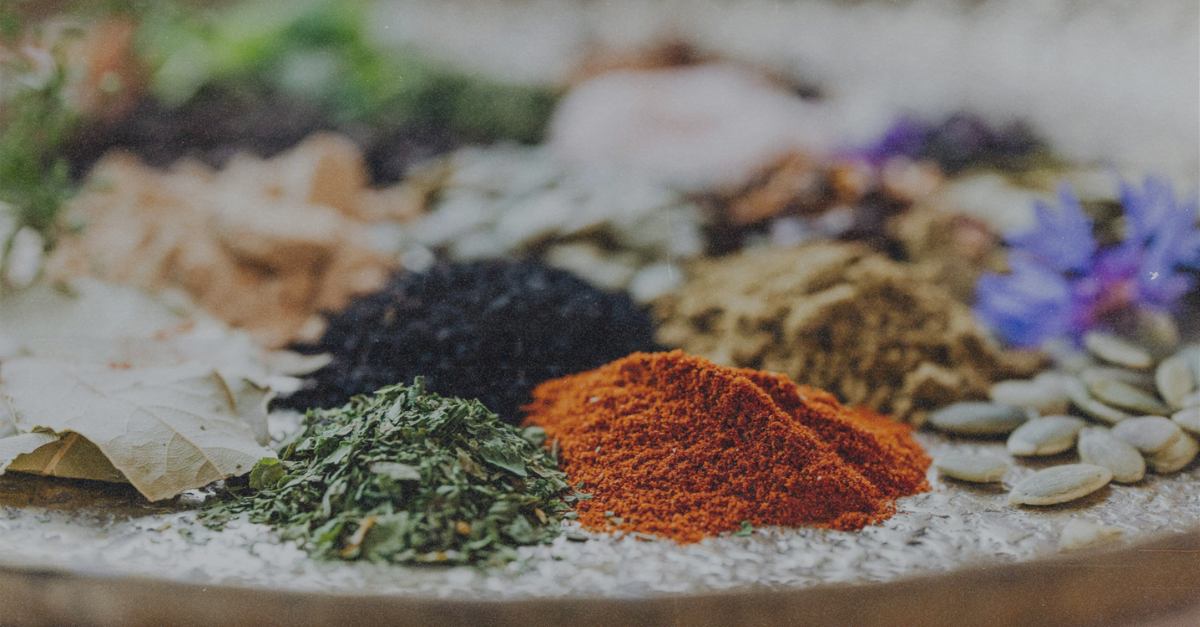
She shares both the traditional plant wisdom she grew up with and the modern research behind herbs like slippery elm, yarrow, peppermint oil, DGL licorice, and marshmallow root.
You’ll learn how these plants may help support the gut lining, the microbiome, and overall digestive balance.
Follow along:
Instagram: @wildiswise
TikTok: @wildiswise
Subscribe + Review
If this episode resonated, please follow Wild Is Wise and leave a quick review on Apple Podcasts. It helps more women find these conversations and gives the show momentum in the early days. Thanks for listening. See you next week. 🎙️
-
Ep. 08 - 5 Superherbs
Audio Premix
[00:00:01] Speaker 2: Most people with gut issues have tried the usual suspects, cutting out foods, adding probiotics, maybe a prescription here or there.
[00:00:08] But there's this whole other category of tools that have been working in the background for centuries. Herbs that soothe the gut lining, feed your microbiome and calm inflammation. And now they're finally showing up in lab studies and meta-analysis.
[00:00:22] Today we're talking about five of those super herbs for gut health, starting with two plants that come straight out of my native heritage, slippery elm and yaro.
[00:00:35] Speaker: . Welcome to WILD IS Wise. I'm Sara Estes, a former private investigator who ditched the high stress legal life after a major health crisis. I rebuilt my health from the ground up through nutrition and functional medicine
[00:00:47] and now I'm here to uncover the truth about women's wellness and translate it so you can make informed decisions about your health. On this podcast, we break down women's nutrition and physiology with real research and [00:01:00] actionable tips, and here's the core philosophy, what's found in nature is often exactly what our biology is wired to thrive on. We get nerdy with the science, but keep it practical for everyday life. If you're ready to understand what your body actually needs, you're in the right place.
[00:01:15] As always, this podcast is educational, not medical advice.
[00:01:18] Please talk to your healthcare provider before making any changes.
[00:01:21] Speaker: Let's jump in.
[00:01:22]
[00:01:24] Speaker 2: Today we're diving into how specific herbs can actually work with your gut, your barrier, your microbiome, your motility in ways that are both deeply traditional and increasingly science backed. We're gonna talk about slippery elm, Yaro peppermint oil, DGL, licorice and marshmallow root, what they do, what the research says, and how to think of them as part of your gut healing toolkit.
[00:01:47] And as I walk you through them, you'll hear pieces of my own story. My oja BBA roots, the way that I was taught to relate to plants, and why I refuse to talk about this wisdom as if it only belongs in the past.
[00:01:59] [00:02:00] Let's start with the stakes right now in the US, diet related chronic diseases are a leading cause of death and disability, and so many of these conditions are either driven by or show up first in the gut at the same time, ultra processed food, constant stress, common medications and environmental toxins are hammering the very systems that keep our gut healthy.
[00:02:22] Like the mucus layer, the single cell thick intestinal lining, and the trillions of microbes that live there. So we end up in this place where bloating, reflux, IBS type symptoms and mystery gut stuff feel almost normal. Like a tax you pay for modern life. You might get an acid blocker or a laxative or, nothing's wrong.
[00:02:41] Your labs are fine. The conversation almost never includes plants that can actually help repair, soothe and feed that ecosystem, even though some of them now have surprisingly strong data behind them, and that's where I wanna go today.
[00:02:53] Let's do a quick tour of your gut before we talk about specific herbs, I want you to have a simple mental picture of [00:03:00] what's happening in your gut. When it's unhappy,
[00:03:02] imagine your intestine as a long folded up velvet ribbon, the velvet is a single layer of cells. That's it. Separating your internal world from everything you eat. On top of that lining sits a thin layer of mucus that functions like a gel coat and living in that mucus and just above it is your microbiome, bacteria, fungi, and other microbes that digest fibers, make vitamins and train your immune system and produce short chain fatty acids that help keep inflammation in check. When you combine chronic stress, low fiber, ultra processed food, alcohol infections, and some medications, you can thin that mucus irritate the cells and shift the microbial ecosystem toward more inflammatory patterns.
[00:03:45] That's when you start to feel things like reflux, burning, cramping, IBS type pain, constipation, diarrhea, and that vague, my gut just does not feel right.
[00:03:55] A lot of conventional treatments focus on shutting down acid, forcing motility, or [00:04:00] numbing symptoms. Herbs often work differently. The ones we're talking about today tend to form a soothing, protective coating over irritated tissue. They bring in anti-inflammatory and antioxidant compounds, and they act as prebiotic fibers or funnel X that selectively feed beneficial microbes and increase short chain fatty acids. That's why they show up both in indigenous medicine and in modern microbiome studies, and two of the herbs closest to my heart because they come outta my own culture, are slippery elm and yaro.
[00:04:30] I wanna share a little bit about my background with you. I'm a member of the Lac Courte Oreille Band of Ojibwe up in northern Wisconsin. I grew up going to our reservation in Hayward, going to powwows, watching my family interact with the land in a way that was very different from what I saw in mainstream culture. If you took something from the earth, you gave something back.
[00:04:49] Usually it was a pinch of tobacco, always with intention and respect. Plants weren't products. They were more like relatives. And Slippery Elm is one of those [00:05:00] relatives. Traditionally, many native communities use the inner bark of the slippery elm tree for coughs, sore throats, diarrhea, and gut upset because when you mix the powdered bark with water, it turns into this slick soothing gel.
[00:05:13] If you've ever made a slurry with it, you know exactly why it gets its name. It's kind of like nature's aloe for your insides. That slickness comes from Mucilage. Which are complex plant polysaccharides that absorb water and form a gel-like coating. when you swallow it, it can line the esophagus, stomach and intestines, calming, irritation, and giving inflamed tissue, a bit of a buffer from acid, bile, and rough textures. For a long time, that was considered folk wisdom. But a 2018 study started to put some serious microbiome science behind it. Researchers, took several digestive herbs, including slippery elm and licorice
[00:05:49] And added them to human fecal cultures in an advanced lab system to see how they changed the microbiota.
[00:05:56] The authors concluded that medicinal herbs like slippery elm have [00:06:00] prebiotic potential, meaning they act like food from beneficial microbes .
[00:06:04] Clinically slippery Elm shows up as part of formulas for reflux and IBS, small human studies and clinical experience suggest blends containing slippery elm, can ease heartburn, calm, irritable bowel symptoms, and improve stool consistency. Probably because you're getting both that physical coating and the microbiome shifts.
[00:06:22] So when I imagine my ancestors using slippery elm for sour stomach or diarrhea,
[00:06:27] and then I read a paper saying that it's more erogenous than and increases butyrate producers. It feels like two worlds ceremony and science finally speaking the same language. The other herb I knew I wanted to introduce in this episode is yaro in indigenous and European traditions.
[00:06:43] Yaro has been used , for everything from wound care, to fevers, to digestion in my own mental map of plants, Yaro has always been the one that calms and protects on the skin in the womb and in the gut. Until recently though, we really didn't have much mechanistic data on. What it actually [00:07:00] does for the microbiome. That changed in 2025 when a group of researchers took YARO extract into a really advanced colon model called T Im two.
[00:07:09] They inoculated the system with human gut microbes and then they fed it yaro extract
[00:07:15] then they tracked which microbes flourished and which metabolites were produced.
[00:07:19] And here's what the researchers found. Yaro extract helped beneficial gut bacteria grow the same kinds of. Microbes that are found in fermented foods.
[00:07:27] It also increased several other bacteria linked to better metabolism and gut health. But the most interesting part is what those microbes produced when Yaro was present, the gut made more short chain fatty acids, compounds that help fuel the cell linings in your colon regulate appetite and calm inflammation in the body.
[00:07:46] So in other words, yaro didn't just add something new to the system, it helped the existing ecosystem in the gut work better.\ The researchers concluded that compounds in Yaro help keep the gut microbiome balanced by encouraging [00:08:00] beneficial microbes and increasing the production of helpful compounds those microbes make.
[00:08:04] That's the scientific way of saying something pretty simple. This plant seems to help your gut bacteria do more of the things to support your health. Other research has looked at how yaro protects the gut lining itself. In one recent animal study, Yaro extract helped protect intestinal tissue from damage caused
[00:08:20] by chemotherapy. It reduced inflammation, tissue injury, and oxidative stress in the gut. Of course, animal studies don't translate perfectly to everyday human use. But the pattern is interesting again and again. Yaro shows up as a plant that helps stabilize and protect the gut when the body is under stress.
[00:08:37] So when people in my community talk about yaro as a protector, and then I see the research showing that it supports beneficial microbes and helps defend the gut lining, I build the bridge between the stories I grew up hearing and the science that we're reading today. Now I wanna shift to a couple of herbs you've probably heard before.
[00:08:55] Not from a traditional gathering sense, but maybe from the supplement aisle or even [00:09:00] your doctor's office. Peppermint oil is one of the most studied herbal options for irritable bowel syndrome or IBS. And we're not talking about mint tea here.
[00:09:08] These studies use special peppermint oil capsules designed to pass through the stomach and release into the small intestine. A large review published in 2019 looked at 12 clinical trials involving more than 800 adults with IBS. Here's what they found. People taking peppermint oil, were more than twice as likely to report overall symptom improvement compared to those who take a placebo.
[00:09:30] Peppermint oil also significantly improved abdominal pain, which is one of the most frustrating IBS symptoms. The researchers concluded that peppermint oil appears to be a safe and effective option for reducing IBS pain and improving symptoms overall. They also noted that we still need high quality research,
[00:09:47] so why might peppermint help the main compound in peppermint? Menthol helps relax the muscles in the digestive tract, and that can reduce spasms and calm nerve signaling in the gut, and may even have [00:10:00] mild antimicrobial effects. That combination is likely why many people with IBS report less cramping, less urgency, and less discomfort when they take a well-formulated peppermint oil supplement.
[00:10:10] It's not perfect though. Some studies did find that peppermint oil increase side effects like heartburn and reflux in certain people. That actually makes sense. Biologically
[00:10:19] peppermint can relax muscle that normally keeps stomach acid from moving upward into the esophagus. So, if the capsule coating fails or someone is sensitive, peppermint may actually make reflux worse.
[00:10:30] This is definitely one to discuss with a practitioner, especially if you already deal with heartburn. But overall, when we look at the clinical evidence, peppermint oil is one of the strongest herb based tools we currently have for symptoms.
[00:10:42] Another important herb in digestive support is licorice, specifically a form called.
[00:10:48] DGL Licorice, regular licorice root contains a compound called glycerin In high doses or long-term use, that compound can raise blood pressure and affect electrolyte balance DGL [00:11:00] is processed to remove most of that compound while keeping the parts that support digestive health.
[00:11:05] Licorice has been used for stomach ulcers and digestive irritation for a very long time. And modern research helps us explain why. Studies show that licorice can increase protective mucus in the stomach and intestines, improve blood flow to the digestive lining and help the cells that make up the gut lining regenerate more effectively.
[00:11:22] Clinical trials, comparing DGL to standard ulcer treatments have found that it can help reduce ulcer size and support healing.
[00:11:30] In some cases, people experience symptom relief similar to conventional acid reducing medications. The key difference is how it works. Acid blockers mostly reduce stomach acid. DGL helps the tissue itself rebuild and protect itself.
[00:11:44] And those approaches can actually compliment each other. Marshmallow root is another herb often used alongside DGL, like IL marshmallow root contains a gel-like fiber called mucilage when mixed with liquid. It forms a soothing coating that can line the esophagus and stomach that coating helps calm [00:12:00] irritation and creates a protective barrier while the tissue heals. And because of that, herbal practitioners often combine marshmallow roots, slippery Elm and DGL for people dealing with reflux esophagal irritation, or that raw inflamed feeling in the gut.
[00:12:14] You can think of Slippery Elm, marshmallow and DGL licorice as a kind of gut lining repair crew. One coat ensues the tissue. Another increases protective mucus and circulation, and together. They help create the conditions the gut needs to repair itself.
[00:12:27] So how do you take all of this information and apply it in real life without turning your kitchen counter into this crazy herbal pharmacy? One helpful way is to think in patterns rather than prescriptions. If your main issue is reflux heartburn, or that feeling in your chest or your throat,
[00:12:43] The focus is usually on protecting and soothing the upper digestive tract while you and your clinician work on the underlying causes. This is where mage rich herbs and DGL often come in. Many practitioners will use combinations like slippery elm capsules, marshmallow root tea [00:13:00] or extract, and DGL licorice, chewables, or capsules.
[00:13:03] The idea is very simple, coat the tissue, reduce irritation, and support the healing instead of only turning down the stomach acid.
[00:13:10] If your symptoms are more typical of IBS, like cramping, gas, pain, constipation, and diarrhea, peppermint oil is often one of the first herbal options considered.
[00:13:18] Enteric-coated peppermint capsules taken before meals can help reduce pain and overall IBS symptoms for many people. Again, this should definitely be discussed with the healthcare professional. Especially if reflux is already an issue. If you're thinking more broadly about gut resilience and microbiome health, Yaro is an interesting plant to explore.
[00:13:37] Research suggests it may encourage beneficial bacteria and increase the production of compounds that support gut health. So in practical terms, that might mean using a high quality yaro extract as part of your gut support formula or drinking ya o tea if it's appropriate for you.
[00:13:51] And slippery elm sits somewhere in the middle. It physically soothes the digestive tract, while also acting as a gentle food source for beneficial gut [00:14:00] microbes. I do wanna say this, none of these herbs replace the foundations of gut health.
[00:14:04] That's nutrient dense foods, getting enough protein, a wide variety of plants, movement, stress management. But herbs can help make the internal environment more supportive while you work on those deeper pieces. And that's exactly how they're often used in both indigenous traditions and integrative medicine.
[00:14:21] I wanna wrap this up by returning to something from my native heritage because it shapes how I think about plants and medicine.
[00:14:27] In my tribe, if you harvest a plant, you offer tobacco back to the earth. It's a way of acknowledging that everything in nature operates through exchange. You don't take without giving back. You don't treat the land as something to exploit, and you don't treat your body that way either.
[00:14:40] That's the mindset I bring to herbs. They're not just natural products, they're relationships, and I'm careful about how we talk about traditional knowledge. A lot of people describe it as ancient wisdom or primal or ancestral as if it belongs in the past, but I don't really see it that way.
[00:14:56] When I read research showing that slippery A protects the gut [00:15:00] lining, or that yaro shifts the microbiome towards beneficial bacteria, it doesn't feel like science discovering something new. It feels like science catching up my body exists because generations of people survived with the help of these plants. So, when modern research confirms what those traditions already understood, it feels less like a surprise and more like validation. If there's one thing I hope you take from this episode, it's not that you should go buy a handful of new supplements, it's this plants can be thoughtful evidence-informed allies in your gut health journey.
[00:15:30] You can also ask your practitioner about slippery elm, marshmallow root, peppermint oil, DGL, licorice or yaro. You can explore options that focus on repairing and supporting the gut, not just suppressing symptoms. And start small.
[00:15:44] Maybe it's trying one herb for a few weeks with guidance from your practitioner, or maybe it's simply drinking a cup of yaro or marshmallow tea while you're working on the basics like fiber and reducing ultra processed foods. . The goal here is never perfection. The goal is [00:16:00] partnership. Partnership between you and your body, partnership between you and the practitioners supporting you.
[00:16:06] And partnership between modern science and the living world that has been helping humans heal long before any of our current systems existed. Alright, that is it for this episode of WILD Is Wise. I hope you found this information on herbs helpful and useful. Thank you so, so, so much for listening
[00:16:24] until next time, stay wild, stay wise. I'll see you next week.
[00:16:28]